

Feline coryza is one of the most common diseases in cats. Often compared to a simple cold, it can nevertheless become serious, painful, and sometimes chronic , especially in kittens or fragile cats.
Highly contagious, it spreads easily in multi-cat households, shelters and catteries.
Here is everything you need to know.
What is coryza?
Coryza is not a single virus, but a complex of respiratory diseases .
It generally combines:
-
feline herpesvirus (FHV-1)
-
calicivirus (FCV)
-
opportunistic bacteria
These agents primarily attack:
-
the nose
-
eyes
-
the throat
-
sometimes the mouth
It's the equivalent of a bad case of feline flu .
How is it transmitted?
Coryza is very contagious .
Transmission by:
-
sneezing
-
nasal and ocular secretions
-
saliva
-
shared bowls
-
contaminated hands, clothing, and objects
The virus can survive for several hours to days in the environment.
A single sick cat can infect an entire household.
Symptoms to recognize

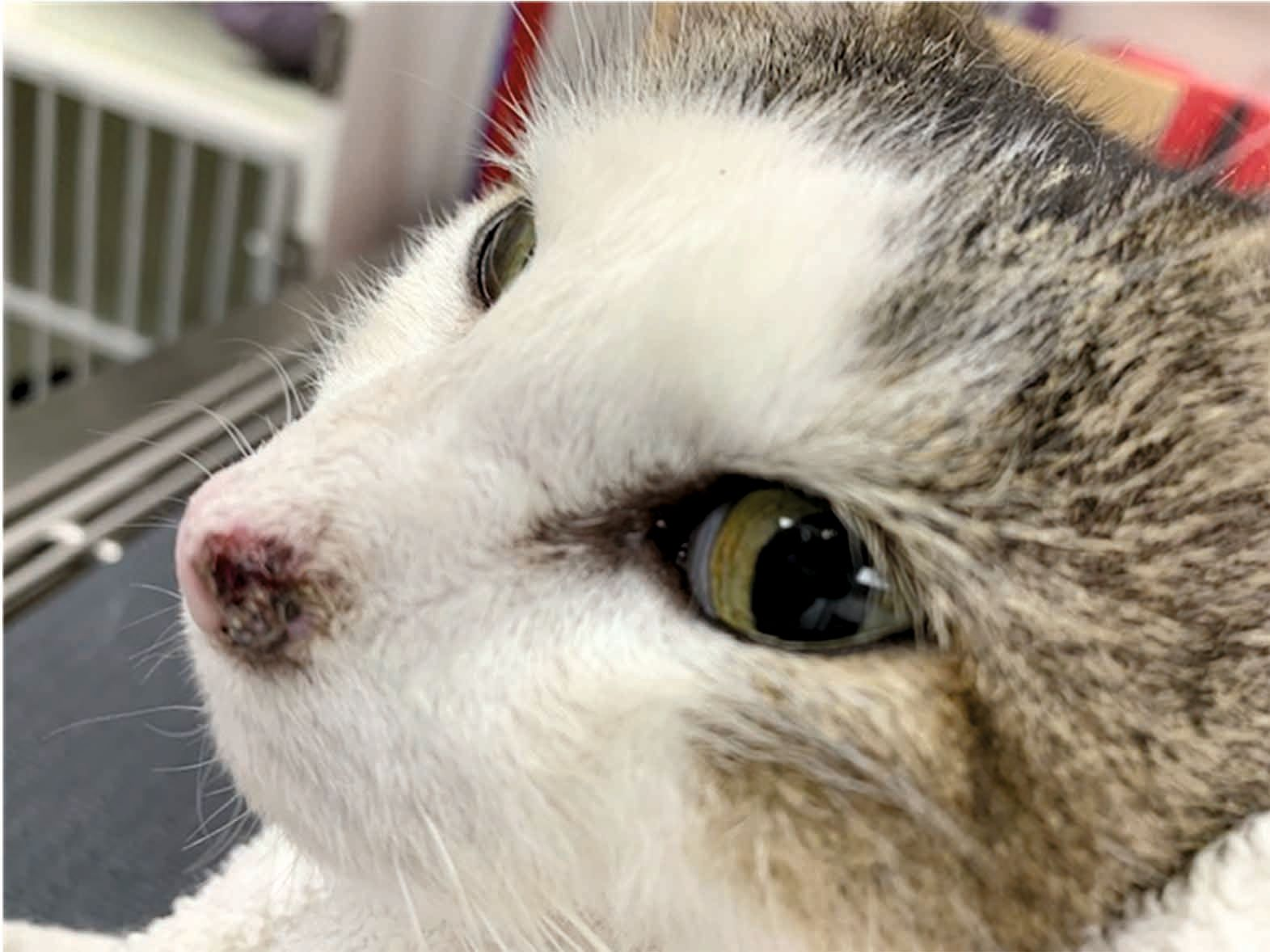
The symptoms are similar to those of a cold… but more pronounced.
Common symptoms
-
repeated sneezing
-
Runny nose
-
Red or sticky eyes (conjunctivitis)
-
purulent eye discharge
-
fever
-
fatigue
-
loss of appetite
Sometimes also
-
cough
-
mouth ulcers (often linked to calicivirus)
-
loss of smell → refuses to eat
-
dehydration in kittens
Kittens can weaken very quickly.
Possible complications
Without treatment, coryza can lead to:
-
lung infections
-
eye ulcers
-
significant oral pain
-
weight loss
-
chronic form with regular relapses
Some cats remain carriers for life and may experience seizures again during periods of stress.
How do you treat coryza?
There is no medication that directly eliminates viruses.
The treatment aims to relieve and prevent complications .
The veterinarian may prescribe:
-
antibiotics (against bacterial superinfections)
-
eye drops or eye ointments
-
anti-inflammatories / analgesics
-
inhalations
-
nose and eye cleaning
-
palatable or assisted feeding
-
IV fluids if dehydration
Prompt treatment significantly improves recovery.
Prevention: essential
Hygiene
-
isolation of the sick cat
-
hand washing
-
cleaning the bowls
-
regular disinfection
-
avoid contact with unfamiliar cats
When should you seek emergency medical attention?
Check quickly if your cat:
-
hasn't eaten for 24 hours
-
breathing with difficulty
-
has very sticky or painful eyes
-
is shot
-
is a kitten
In a young cat, the condition can deteriorate very quickly.
Key points to remember
✔️ Very common respiratory illness
✔️ Highly contagious
✔️ Can become chronic
✔️ Symptomatic treatment
✔️ Vaccination strongly recommended
Coryza is often benign if caught early… but prevention is better than cure .
The Holi-Crube kit can boost respiratory immunity. It consists of 4 products:
- HOLIPULMO maintains respiratory function
- HOLISEP supports the body in case of infection
- HOLIFLAME to support and adapt the anti-inflammatory and pain-relieving response
- HOLIMIN to promote recovery and convalescence
Here is the link to order the kit : https://www.labosolidago.com/products/kit-sante-respiratoire-immunitaire


 Labo Solidago


Leave a comment