









Approved for sale by Health Canada - No: NN.Z9R0
Feminine tonic for breastfeeding, fitness, convalescence and fertility.
Heat (estrus ) in animals
Estrus, or heat, is the period during which a female mammal is fertile and seeks mating for the purpose of reproduction.
Let the first person who has never thought: I would like to breed my pet to keep a memory of her raise their hand! For others of you, you have wanted to embark on your passion for breeding to reproduce a breed, or several, with qualities of beauty and behavior.
As with humans, motherhood is a magical time (yes, okay, when you forget the nausea, contractions, stretch marks, sleepless nights…) Hot spells don't only happen in summer…
In the cat
Generally, a female cat's first heat cycle occurs around 7 to 9 months of age and  (photo Hollidogtime.com)
coincide with the increase in sunshine. But they also follow a seasonal rhythm: two or three cycles in the spring (around March-April), then again in the summer (June-July). Occasionally, a third period occurs in the autumn. Each heat period lasts approximately three weeks, during which the female is fertile for 6 to 10 days.
This is why the female cat is considered to be a seasonal polyesterian (several periods of heat with a few days of respite). When in heat, the cat becomes even more affectionate, rubbing herself on table or chair legs and on your legs. 
She may roll on the ground, raise her rear end, show signs of nervousness and impatience, refuse to eat, and even urinate on the ground. At her worst, she will no longer want to sleep and will meow in despair to attract the male who will come to rescue her (and us too!) .
Indeed, female cats only ovulate after mating. This explains the return of their heat cycles after a short rest period. Mating is the only way to end this ordeal. (photo Dr. Milou)
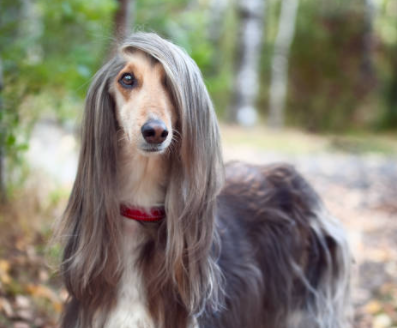
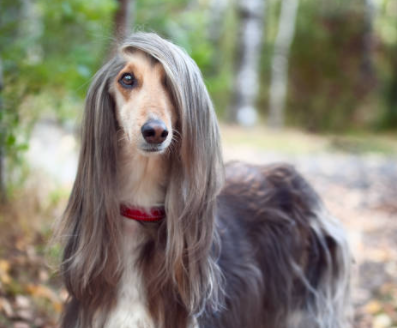
In the female dog
The female dog has a sexual cycle that is called monoestrous, meaning that she has one or two ovulatory cycles per year, separated by relatively long intervals of sexual rest of about six months.
The famous heat cycles are divided into two phases: proestrus and estrus. The first phase, proestrus, lasts between 7 and 11 days. During this period, the vulva becomes edematous (swollen) and there is varying amounts of bloody vaginal discharge. At this time, even though the females show great interest, they resist the advances of the males.
The second phase, estrus, lasts approximately 8 to 10 days. Mating occurs during this period, as the females are then receptive. To determine the optimal time for mating after ovulation, it's important to know that the first day of estrus corresponds to the first day of bleeding. Therefore, it's easy to determine that ovulation typically occurs around day 13, with a variation of plus or minus two days.
In the mare
In breeding, the reproduction of the horse depends essentially on the sexual cycle of the  The mare's estrus lasts from 21 to 23 days, while the mature stallion is naturally always active. The foal's gestation lasts eleven months, and the mare requires constant care during this period. In breeding programs, horse reproduction is controlled. Male horses reach puberty between 12 and 18 months, but they are only used as breeding stallions once they are four years old. Mares, on the other hand, experience their first heat and become fertile from the age of two. However, in breeding programs, they are not bred to a stallion before the age of three. The mare's estrous cycle is crucial for successful reproduction. Detecting her ovulation period is essential for a good chance of conceiving a foal. Veterinary advice and monitoring are often necessary for this process. (horse photo shared)
A mare's estrous cycle lasts between 21 and 23 days. During the first phase of her cycle, called diestrus, the hormone estrogen is released by the ovaries, and follicles (between one and three) begin to develop. During the second phase of her cycle, called estrus, which lasts between three and twelve days, she enters her heat cycle, at the end of which one of the follicles releases a fertilizable egg. It is when she is ovulating that the mare is receptive to the stallion. Therefore, it is necessary to have veterinary monitoring via ultrasound, or to regularly present her to a stallion, to determine the optimal time for breeding.
Gestation
The gestation period in mares is eleven months. Veterinary monitoring is  performed by ultrasound. In 80% of cases, the mare gives birth to a single foal, but sometimes she gives birth to twins. There is no way to determine when foaling will begin. Only careful observation of her behavior will allow you to suspect it: she isolates herself, seems nervous, and her udder is swollen.
The foaling of the mare
Normally, the mare foals standing up, although she may sometimes lie down to do so. The foal is expelled quickly, taking between five and twenty minutes. Once the foal is born, the mare breaks the umbilical cord by biting it and licks the foal clean. Between one and three hours after birth, the foal is able to stand and nurse from its mother to continue growing.

Now that you may know a little more, we wanted to pay tribute to the Syngnathidae family, in which it is the male that carries the pregnancy. Sir, congratulations, and you're quite handsome! (photo Québec Science)
On paper, all of this is very pretty and endearing, but, as human females know, it's not always easy to live with! From puberty to menopause (menopause doesn't exist in female dogs, cats, or mares), the hormonal challenges are numerous, both physically: difficult births with hemorrhages, anemia, lactation problems, weakness, loss of libido, tumors, low fertility, fatigue, etc. - and psychologically: postpartum depression, rejection of the male, abandonment of the young, etc.
HOLIFEM
It is therefore essential to support females throughout their lives as "mothers"!
Ingrédients et excipients
Agnus Castus, Actea racemosa, Alfafa, Aristolochia, Borax, China, Cocculus, Echinacea, Gallium aparine, Gratiola, Lactuta virosa, Lilium tigrinum, Onosmodium virginianum, Phosphorus, Phytolacca, Ricinus, Thyroid, Urtica urens, Ustilago. Excipients: water, alcohol
Précautions
Keep out of reach of children. Place the products in the shade, away from electrical outlets and heat sources. There is no need to refrigerate the product.
Contraindications
You can use homeopathic products at the same time as medications, there are no contraindications.
Essential oils
If you use essential oils, you should give the homeopathic product first and wait at least a few hours before applying the essential oils.
Mode d'emploi
Shake the bottle by tapping it in the palm of your hand before each use to energize the product.
How to give the drops?
To administer the drops, position yourself behind the animal and with one hand, hold the head firmly and with the With the other hand, put the dropper in the corner of the mouth, pinch the pipette and add the number of drops needed.
- For kittens and puppies, give a maximum of 2 to 3 drops.
- Adult cats and dogs, approximately 8 drops
-
Larger dogs, 50 kg and more: 10 to 12 drops.
- Horses: 10 ml
Easy to administer
It is best to put the drops directly in the mouth but you can also put a few drops on your food or even put a squirt in your drinking water. Do not put 2 different products in drinking water.
If you have to give 2 different products, wait at least 5 minutes between each dose.
The more intense the symptoms, the more the frequency should be increased. Reduce the intake depending on the improvement in the condition. NEVER GIVE THE PRODUCTS LONG TERM, UNLESS OTHERWISE ADVISED BY THE HOMEOPATHIST.
As each animal is different, we offer a personalized service. It is therefore best to contact us to find out how to proceed.