









Approved for sale by Health Canada - No: NN.L7C3
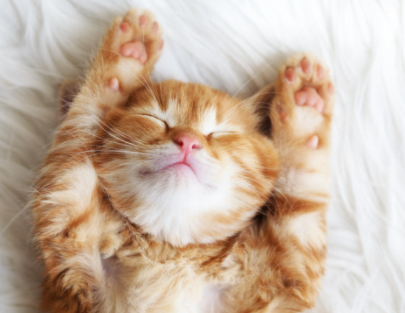
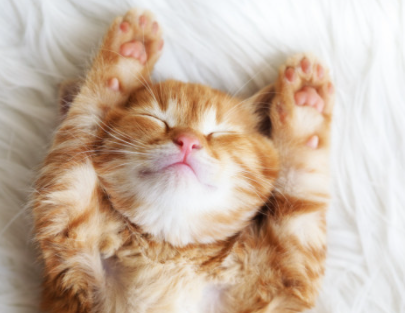
Growth and maturation of young kittens, puppies, and foals.
Growth is a key stage not to be missed. It will determine your animal's future health.
There are diseases to be aware of. In kittens, we can encounter cases of herpes virus, calicivirus, coronavirus, leukemia virus (leukemia), and feline immunodeficiency (feline AIDS), feline panleukopenia virus (feline distemper)… all are potentially dangerous for kittens, and some can be transmitted by the mother herself, during gestation or via milk. 
In puppies, we can observe parvovirus, a highly contagious canine disease in puppies aged between 12 weeks and 3 years. It is transmitted by direct contact or excrement in unvaccinated puppies.

Regarding foals
Septicemia mainly affects foals during the first days of their life, especially in cases of immunity deficiency (poor colostrum intake). This infection can be transmitted in utero by the placenta or at birth. It can also start with an umbilical infection. 
It is one of the main causes of mortality in young foals. Diarrhea is a common ailment in young foals and is not always serious. Limb deformities in foals are quite frequent at birth, but most can be well corrected to avoid subsequent disabling stance defects.
Useful reminders:
Puppies and kittens are very cute, adorable, but they have a lot, a lot, a lot of energy. If you are looking for tranquility and want to maintain some freedom, opt for an adult animal instead.

Overfeeding or excessive quantity of food leads to excessive weight gain due to the development of fatty tissues. Overweight, whether "fat" or "lean", will lead to disorders: joint malformations and obesity in particular. It is therefore not recommended to feed a young animal at will. 
To limit osteoarticular growth defects in your animal, careful monitoring of its diet is essential. It is also advisable to limit any intense exercise on slopes (uphill or downhill): the weight is then shifted to the front or hindquarters and puts too much strain on its very fragile joints.

Photo: https://eleveurs-canins.skyrock.com/2.html
Your animal's behavior will also develop. For it to find its place in your home, appropriate training is necessary. You need to implement this training as early as possible. At puberty, the onset of sex hormones induces changes that need to be understood and managed.
During the growth phase, and particularly around the "growth spurt", it is advisable to weigh your animal regularly, monitor its stance (leg position), and adapt its diet according to its growth curve.
Its training program must also be adapted, both to correctly develop its character and to limit osteoarticular risks.
Harmonious growth guarantees a balanced, healthy animal, and lays the foundation for its longevity by your side.
HOLIJUNIOR
It is therefore necessary to support its overall development, its growth and the general maturation of its physiological system, including the proper evolution of its intestinal microbiota, the development of its immune, hormonal and nervous systems.
By selecting the ingredients that make up HoliJunior, Martine Jourde, our chief homeopath with 40 years of experience, considered several factors such as the synergy between remedies to enhance their effectiveness, and an approach to traditional Chinese medicine. "Our homeopathic solutions cannot under any circumstances replace veterinary advice."
Ingrédients et excipients
Aethusa cynapium, Antimonium crudum, Belladonna, Calcarea sulfurica, Carcinosinum, Chamomilla, Cina, Lac caninum, Luesinum, Lycopodium, Magnesia carbonica, Medorrhinum, Mezereum Natrum phosphoricum, Podophyllum, Thuya, Tuberculinum bovinum. Excipient: water, alcohol
Précautions
Keep out of reach of children. Place the products in the shade, away from electrical outlets and heat sources. There is no need to refrigerate the product.
Contraindications
You can use homeopathic products at the same time as medications, there are no contraindications.
Essential oils
If you use essential oils, you should give the homeopathic product first and wait at least a few hours before applying the essential oils.
Mode d'emploi
Shake the bottle by tapping it in the palm of your hand before each use to energize the product.
How to give the drops?
To administer the drops, position yourself behind the animal and with one hand, hold the head firmly and with the With the other hand, put the dropper in the corner of the mouth, pinch the pipette and add the number of drops needed.
- For kittens and puppies, give a maximum of 2 to 3 drops.
- Adult cats and dogs, approximately 8 drops
-
Larger dogs, 50 kg and more: 10 to 12 drops.
- Horses: 10 ml
Easy to administer
It is best to put the drops directly in the mouth but you can also put a few drops on your food or even put a squirt in your drinking water. Do not put 2 different products in drinking water.
If you have to give 2 different products, wait at least 5 minutes between each dose.
The more intense the symptoms, the more the frequency should be increased. Reduce the intake depending on the improvement in the condition. NEVER GIVE THE PRODUCTS LONG TERM, UNLESS OTHERWISE ADVISED BY THE HOMEOPATHIST.
As each animal is different, we offer a personalized service. It is therefore best to contact us to find out how to proceed.